Published on Feb 02, 2026
Last modified on Feb 02, 2026
Is it Iron Deficiency or Is It Menopause?
5 min read
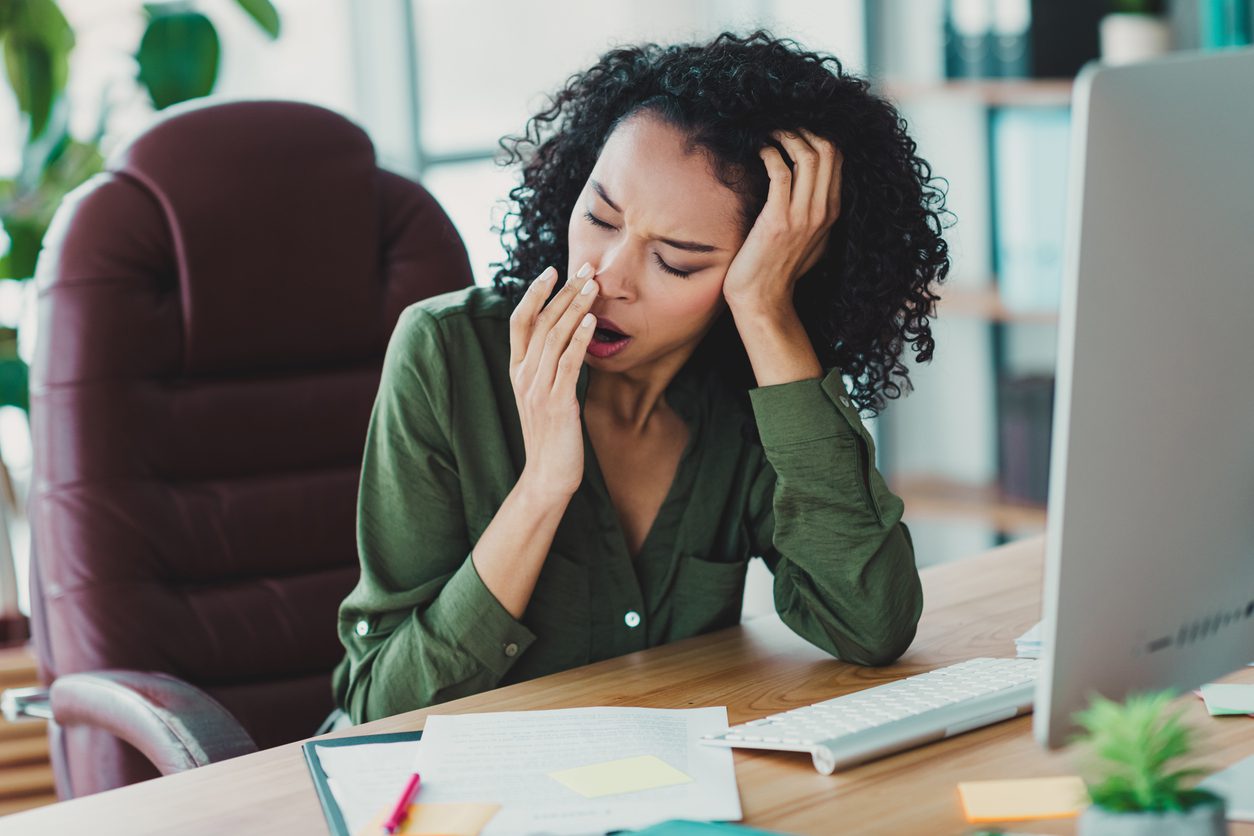
Ever feel like you’re always forgetting where you put your keys, or constantly losing your train of thought? And, no matter how much shut-eye you get, you never seem to feel well-rested? While you might be inclined to blame these disruptive symptoms on menopause, these symptoms can also be signs of iron deficiency. So how do you know which it is? And does the course of treatment vary depending on the cause? We’re digging into it all below…
Iron 101
Time for some quick science: iron is an important mineral that helps keep our blood healthy. Specifically, it helps produce hemoglobin, a type of protein in red blood cells that transports oxygen from the lungs to the rest of the body. We get most of our iron from food sources, and our bodies then store it in the liver as a protein called ferritin.
Women are at higher risk of developing iron deficiency due to consistent blood loss via menstruation — the most common cause of iron deficiency. Over time, iron deficiency can lead to iron deficiency anemia, a condition where our body doesn’t produce enough red blood cells to transport oxygen.
What are symptoms of low iron in women?
- Brain fog and difficulty concentrating
- Hair loss
- Fatigue
- Brittle nails
- Shortness of breath or heart palpitations
If you’re thinking “hey, those symptoms sound familiar,” you’re right. This is where things get tricky.
Is there a connection between menopause and iron deficiency?
You betcha. As hormone levels shift during perimenopause, most women experience changes in their menstrual cycle, which often means heavy periods. Over time, iron loss due to heavy menstrual bleeding can lead to iron deficiency.
So, does that mean we’re in the clear after menopause?
Oftentimes, iron levels increase after menopause because we’re no longer experiencing blood loss via menstruation, and can even begin to build up. As with many important minerals, there’s a definite sweet spot, and too high an amount of iron can also pose health risks. For this reason, it’s important to always check with a provider before adding an iron supplement, and to stay on top of annual physicals and bloodwork, which typically includes an iron status assessment.
What causes low iron after menopause?
While loss of blood due to menstruation is the number one cause of iron deficiency, there are several other risk factors that can lead to ID/IDA before and after menopause, including:
- Not consuming enough iron-rich foods
- Blood loss or malabsorption due to gastrointestinal conditions (celiac disease, inflammatory bowel disease, gastritis or ulcers)
While of course not a concern after menopause, it’s worth noting that pregnant women are also at risk of iron deficiency…and yes, you can still get pregnant during perimenopause!
READ MORE: What To Know About Birth Control In Perimenopause

How do I know if something is a symptom of menopause or an iron deficiency?
As you may have noted above, there’s some significant overlap between symptoms of iron deficiency and symptoms associated with hormone level changes in the menopause transition. If you’re experiencing recurrent fatigue and brain fog, it’s worth reaching out to a healthcare provider, such as one of Elektra’s board-certified, menopause specialists.
They’ll work with you to understand your health and treatment history and whether the symptoms are occurring alongside other menopause-specific symptoms. If, for instance, you are taking menopause hormone therapy and the symptoms persist, they may recommend having your iron levels checked.
How is iron deficiency diagnosed?
Iron deficiency and iron-deficiency anemia can be diagnosed with a blood test from your primary care or women’s health provider. A panel will typically include:
- Ferritin level: This protein stores iron in the body and levels can indicate overall iron storage
- TIBC (total iron binding capacity): This measures your blood’s ability to bind to iron and transport it throughout your body
- Serum iron: This measures the amount of iron circulating in the blood
- Complete blood count (CBC): This measures red blood cells and hemoglobin
How is iron deficiency treated?
While the course of treatment will vary depending the deficiency severity, here are the interventions that a provider may recommend to increase your body’s iron levels:
Food sources
Integrating more iron-rich food sources into your diet, such as:
- Leafy green vegetables
- Beans
- Red meat
- Poultry
- Seafood
- Seeds
Vitamin C can assist in iron absorption, so it can be helpful to pair these with vitamin C-rich foods such as citrus fruits, peppers, and broccoli. Conversely, calcium can block iron absorption so it’s a good idea to avoid eating dairy or high-calcium foods (or supplements) at the same time.
Oral Iron Supplementation
Oral supplements can be a helpful tool to correct low iron levels, and typically work within a few months. Some women do experience side effects such as constipation when taking iron supplements, but these often go away with time. There are also different versions of iron supplements, so if you continue to experience side effects, your provider might recommend trying another formulation. As we mentioned before, there IS such a thing as too much iron, so it’s important to work with a healthcare professional to determine an appropriate dose.
Intravenous (IV) Iron Supplementation
In severe cases of anemia, IV iron supplementation may be recommended to quickly adjust levels. This procedure will typically be done in a hospital or clinic, but insurance coverage can vary.
The Bottom Line
Iron deficiency is a common condition that, when left untreated, can impact quality of life. Due to overlapping symptoms with peri-/menopause (and lack of sufficient research), it’s sometimes missed for women in this life stage. Fortunately, it is highly treatable, so If you’re experiencing fatigue, brain fog, or heart palpitations alongside heavy bleeding, we recommend reaching out to a provider.
READ MORE: