Published on Feb 13, 2026
Last modified on Feb 13, 2026
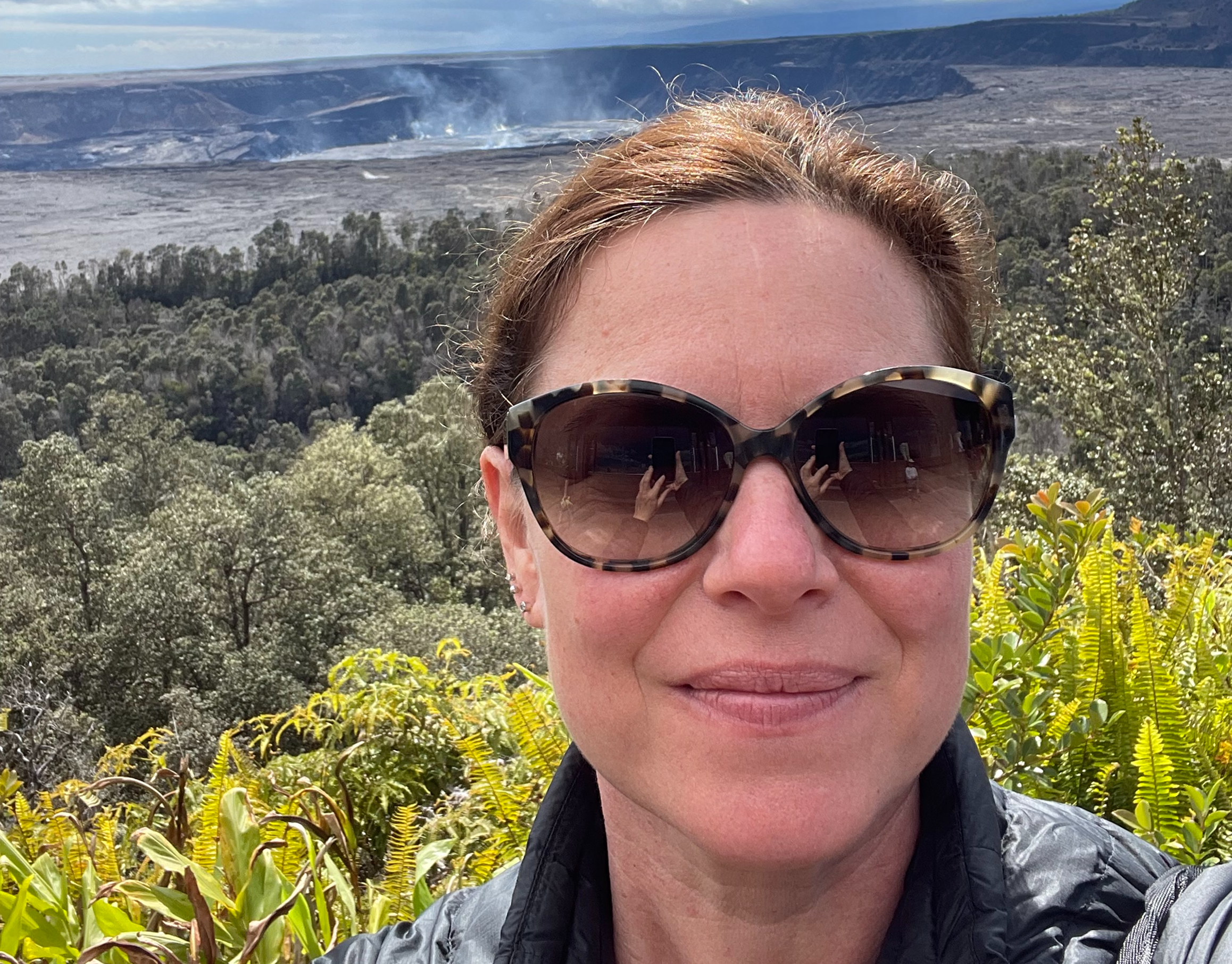
Medicine, Mindfulness & Menopause: A Conversation with Jenn Malamas, MD, MSCP
4 min read
When Jenn Malamas, MD, MSCP talks about her own menopause experience, she doesn’t sugarcoat it.
“I went through my own really horrible menopause journey where I had every symptom in the book,” she explains.
And yet, when she went to her own gynecologist, she was told… “it sounds like you’re in perimenopause, and you’ll probably feel like this for the next 10 years.”
No education. No options. No “here’s what to look for.”
So she took it upon herself to get educated on what most clinicians are never taught in medical school. And that led to a cascade of personal and professional shifts, including becoming certified by The Menopause Society and shifting from two decades of emergency medicine to virtual menopause care at Elektra Health.
We sat down with Jenn to learn more about how her background as a clinician, certified coach, and meditation teacher informs her approach to menopause care.
Tell us a little bit about your background. Did you always know you wanted to go into healthcare? What did that journey look like?
I always loved science and helping people, and I really love psychology and the way our behaviors and outlook shape our lives. I was a biology major and philosophy minor, and during college I volunteered at a local hospital helping with child birthing classes. After college, I worked at a United Way clinic in the DC area helping uninsured and immigrant populations access healthcare on a sliding scale. After medical school, I ended up training and working for over two decades in emergency medicine, where I saw a lot of primary care and gynecology issues – miscarriages, vaginal bleeding, ectopic pregnancies, abdominal cramping, unexplained abdominal pain – just to name a few.
After years spent in emergency care, what led you down the path of menopause medicine more specifically?
I went through my own really horrible menopause journey where I had every menopause symptom in the book. I was living in NYC at the time, and my gynecologist said…it sounds like you’re in perimenopause, and you’ll probably feel like this for the next 10 years. There was no education, no options, no “here’s what to look for.” And then I got a frozen shoulder, and my orthopedist said it couldn’t possibly be related to menopause. So I had to really dig through the muck to find my own answers, because I didn’t have healthcare providers who supported me. That led me to eventually becoming a Menopause Society-Certified Practitioner, and landing at Elektra years later. I love now being able to practice the way I would have liked to be treated.
You talk about your values being three-fold: communication, education, and advocacy. What do these look like in practice?
To me, they are all connected. Open and honest communication is the cornerstone of how we relate, because healthcare should be a partnership. Without honest communication, we rely on assumptions, and when we misunderstand each other, the patient’s desired outcome can be lost. I want to understand a patient’s actual needs and desires for her own life.
Regarding patient education…the more we know, the more we understand our own bodies and can advocate for ourselves. Open, honest communication and education both enable advocacy and positive change.
You’ve also completed a Leadership Coaching certification and MMTCP Meditation teacher training. How do they impact your approach to medicine?
I love coaching, because it’s therapeutic but not therapy. And it’s a really wonderful way to inspire action and shifts in your life. Coaching training has honed my listening and communication skills, and in the practice of medicine I find that I have a broader and deeper understanding of human behaviors, mindsets, and limiting beliefs that may influence how someone approaches their own health. It gives me a tool to further support the patient, and build a relationship that can enable real change to occur.
I’m also strongly of the belief that a healthy life is more than our physical bodies. It’s our mindset and our relationships that we have with ourselves and with others. How we navigate our emotions, and how we react vs respond to situations and stress. A lot of the women I see at Elektra have kids either in puberty or leaving the nest, and maybe they’re also taking care of elderly parents. Perhaps they’re at the peak of their careers. It’s a lot. And then the ADHD symptoms, the depressive symptoms, the ragey mood shifts all hit…and it’s no joke. It can really throw people for a loop of self-doubt and ungrounded-ness. My personal journey as a patient — as well as my experience with meditation and mindfulness — gives me a deeper level of empathy and compassion.
A few rapid fire questions…
How do you relieve stress?
Hiking, taking walks, doing yoga every morning, meditating, and journaling.
Your favorite book or genre?
I’m really into self-help and personal development books. The one I’m reading now is called The Book of Alchemy by Suleika Jaouad, which is a journaling book with little short vignettes and journaling prompts.
What do you eat for breakfast?
Either yogurt with granola and fruit, or eggs with cheese and toast. Sometimes oatmeal. I’m trying to get more protein in the mornings!
Where’s your happy place?
Right here in my backyard in the Poconos! I resisted, kicking and screaming, moving from NYC but we literally live on a lake and have a beautiful view. We see wildlife, and I can easily walk to the lake and go on the kayak after work. Or go on the little dock and have a cocktail while we watch the sunset. It’s really lovely.